
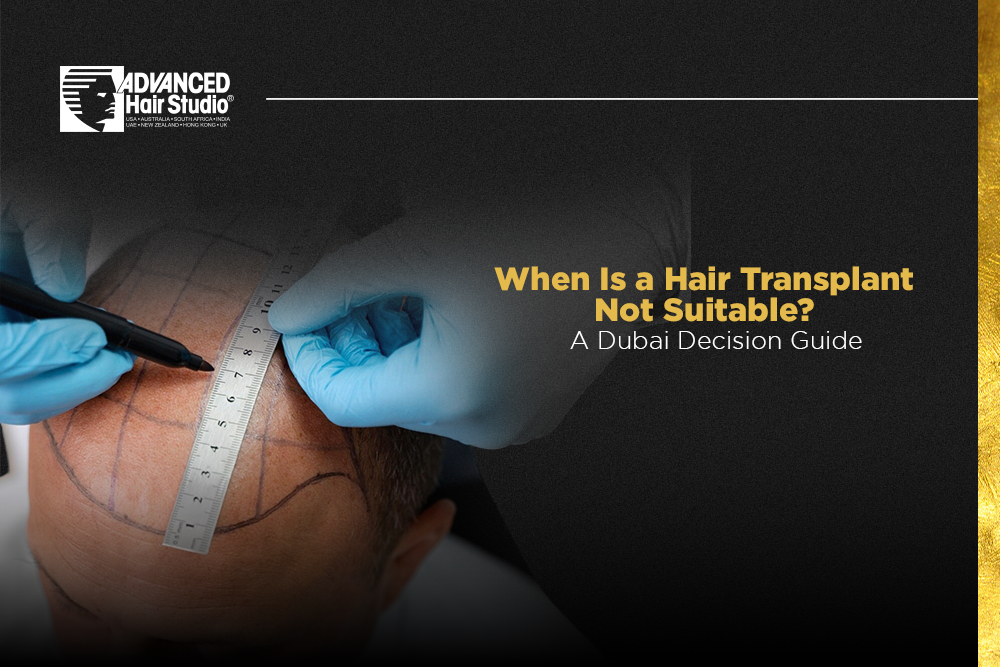
when is hair transplant not suitable is a question many people ask after learning about modern hair restoration options. While hair transplantation can be an effective solution for suitable candidates, not every individual is an ideal candidate at every stage of hair loss. Factors such as donor availability, hair loss progression, medical considerations, and treatment goals all play an important role in determining the most appropriate pathway.
When Is Hair Transplant Not Suitable – Understanding Candidate Selection
Before discussing treatment options, it is important to understand why candidacy assessment matters:
- Hair transplantation is not a one size fits all procedure.
- Every patient presents a unique hair loss pattern.
- Donor resources vary between individuals.
- Long term planning is often as important as current appearance goals.
- Assessment helps determine whether transplantation is the most appropriate option.
Many people researching when is hair transplant not suitable are surprised to learn that responsible clinics sometimes recommend delaying or reconsidering treatment.
Donor Area Limitations
A healthy donor area is one of the most important requirements for successful hair restoration:
- Donor density may vary significantly between patients.
- Previous procedures can affect donor availability.
- Extensive hair loss may increase donor demands.
- Hair characteristics influence restoration possibilities.
- Long term donor preservation remains important.
For patients exploring when is hair transplant not suitable, donor limitations are often among the first factors evaluated during assessment.
Unstable Hair Loss Progression
Timing can be an important consideration when evaluating suitability for treatment:
- Ongoing hair loss progression may affect planning.
- Future hair loss patterns should be considered.
- Treatment goals may need adjustment over time.
- Long term stability is often part of the discussion.
- Strategic planning helps support sustainable outcomes.
Many consultations regarding when is hair transplant not suitable focus on understanding future progression rather than addressing only current hair loss.
Expectations and Medical Considerations
Successful outcomes depend not only on technical planning but also on realistic expectations and appropriate patient selection:
- Coverage expectations should align with available donor resources.
- Hair characteristics influence visual density.
- Medical history may be reviewed as part of assessment.
- Treatment suitability varies between individuals.
- Long term planning remains an important consideration.
For individuals researching when is hair transplant not suitable, understanding these factors can help create more realistic expectations.
Alternative or Combined Pathways
Hair transplantation is not always the only option worth discussing. Depending on the assessment findings, other pathways may also be considered:
- Hair retention strategies for ongoing thinning.
- Cosmetic enhancement options where appropriate.
- Combined approaches tailored to individual goals.
- Structured monitoring before making treatment decisions.
- Long term planning based on progression patterns.
Many discussions about when is hair transplant not suitable focus on identifying the most appropriate pathway rather than automatically recommending surgery.
Why Patients Choose Advanced Hair Studio Dubai
Patients often value clinics that focus on finding the most appropriate solution rather than recommending the same pathway for every individual.(Watch This)
- Comprehensive hair and scalp assessments before recommending any treatment pathway.
- Strand by Strand Cosmetic for individuals looking to improve appearance and coverage without surgery.
- AHS Retention Program designed for patients experiencing ongoing thinning who may benefit from hair preservation strategies.
- Personalised treatment plans that can combine retention, restoration, and cosmetic enhancement where appropriate.
- Long term monitoring and planning based on hair loss progression and individual goals.
- Focus on long term hair management rather than a procedure first approach.
Patients researching when is hair transplant not suitable often appreciate a clinic that offers multiple pathways and helps identify the option most appropriate for their individual situation.
📞 +971 55 352 6174
📞 +971 4 345 1233
📍 Villa 2, Al Wasl Road, Umm Suqeim 3, Dubai
FAQ’S
Yes. Suitability may change over time depending on factors such as hair loss progression, donor stability, treatment planning, and overall assessment findings.
Not necessarily. Donor limitations may influence treatment options, but assessment can help determine whether alternative or combined pathways may be more appropriate.
Hair loss can continue to progress over time. Long term planning helps ensure that current decisions support future appearance goals while preserving available donor resources.
Age alone does not determine suitability. However, hair loss stability, progression patterns, and treatment goals are often important considerations during assessment.
Assessment may include donor density evaluation, scalp examination, hair loss pattern analysis, medical history review, progression assessment, and discussion of realistic treatment objectives.
Conclusion
Understanding when is hair transplant not suitable is an important part of making informed decisions about hair restoration. Factors such as donor availability, hair loss progression, long term planning, and individual goals can all influence the most appropriate treatment pathway. A professional assessment can help identify the option that best matches your current condition while supporting realistic expectations and long term hair management goals.